

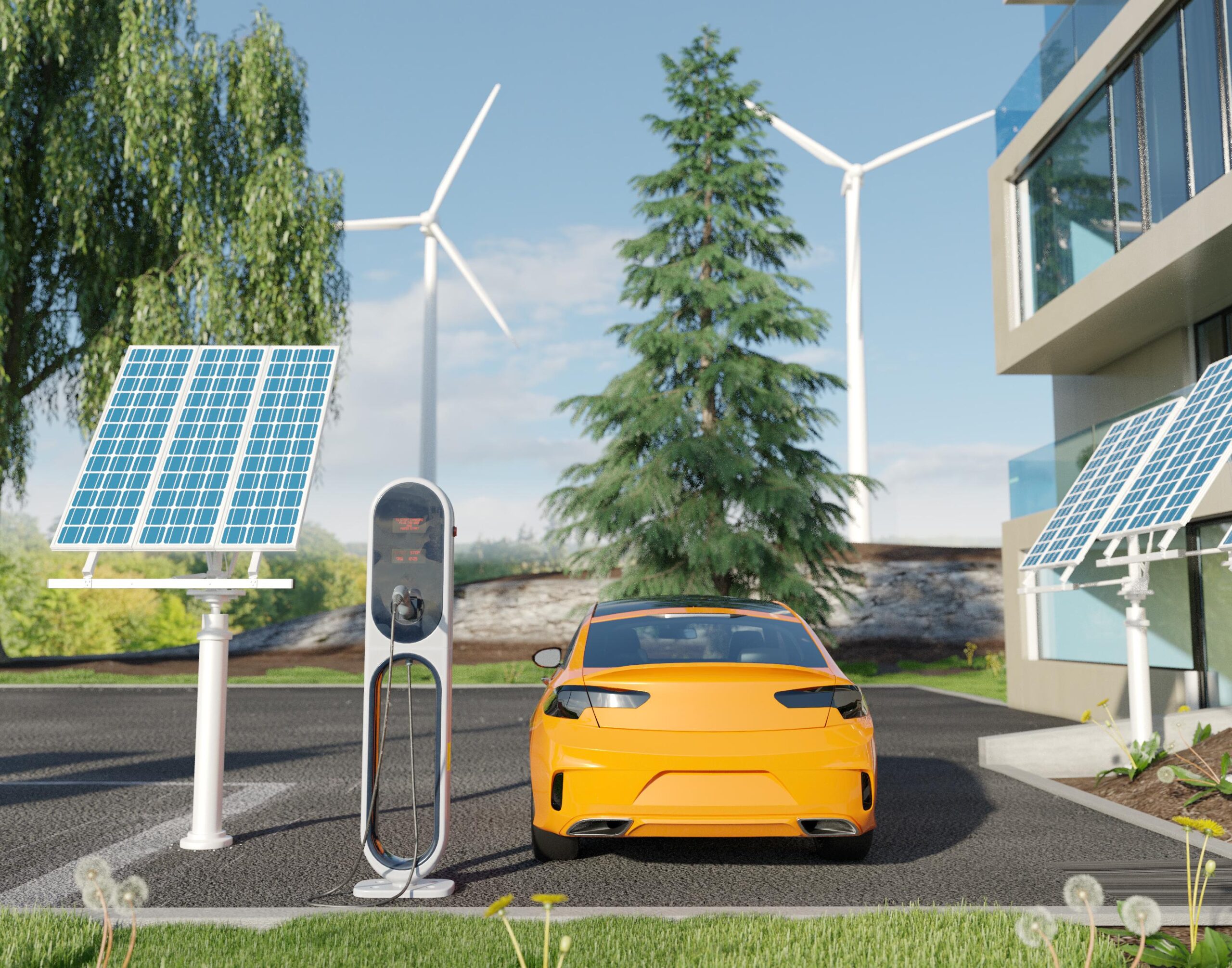
With the rising adoption of electric vehicles and the growing interest in energy independence, many homeowners are asking an important question: Can you charge a Tesla completely off-grid using a dedicated solar and battery system?
The short answer is yes, provided your system is properly sized and built with the right components. Today, many homeowners are exploring solar charging Tesla setups and looking for dependable off-grid EV charging solutions that work reliably in real-world scenarios.
This article walks through a complete off-grid tesla charging configuration using EG4 inverters, EG4 lithium batteries, and a well-designed PV array. This system demonstrates how an off-grid setup can support Tesla charging alongside essential household loads.
Why Off-Grid Tesla Charging Is Different From Standard Charging
EV charging requires high and sustained power output. A Tesla typically draws:
- 32A–48A at 240V depending on Wall Connector settings
- 7.6 kW–11.5 kW AC input
Such demand places significant strain on both the inverter and the battery bank. Therefore, selecting the right inverter, battery storage, and PV array layout is critical for any solar charging Tesla system and reliable off-grid EV charging.
Real-World Off-Grid System for Tesla Charging Using EG4 Components
Below is a high-performing configuration capable of daily or emergency off-grid tesla charging while supporting essential home electrical loads. This type of tesla solar charging setup is ideal for homeowners pursuing true off-grid independence.
Solar Array (DC Side)
System Size (DC):
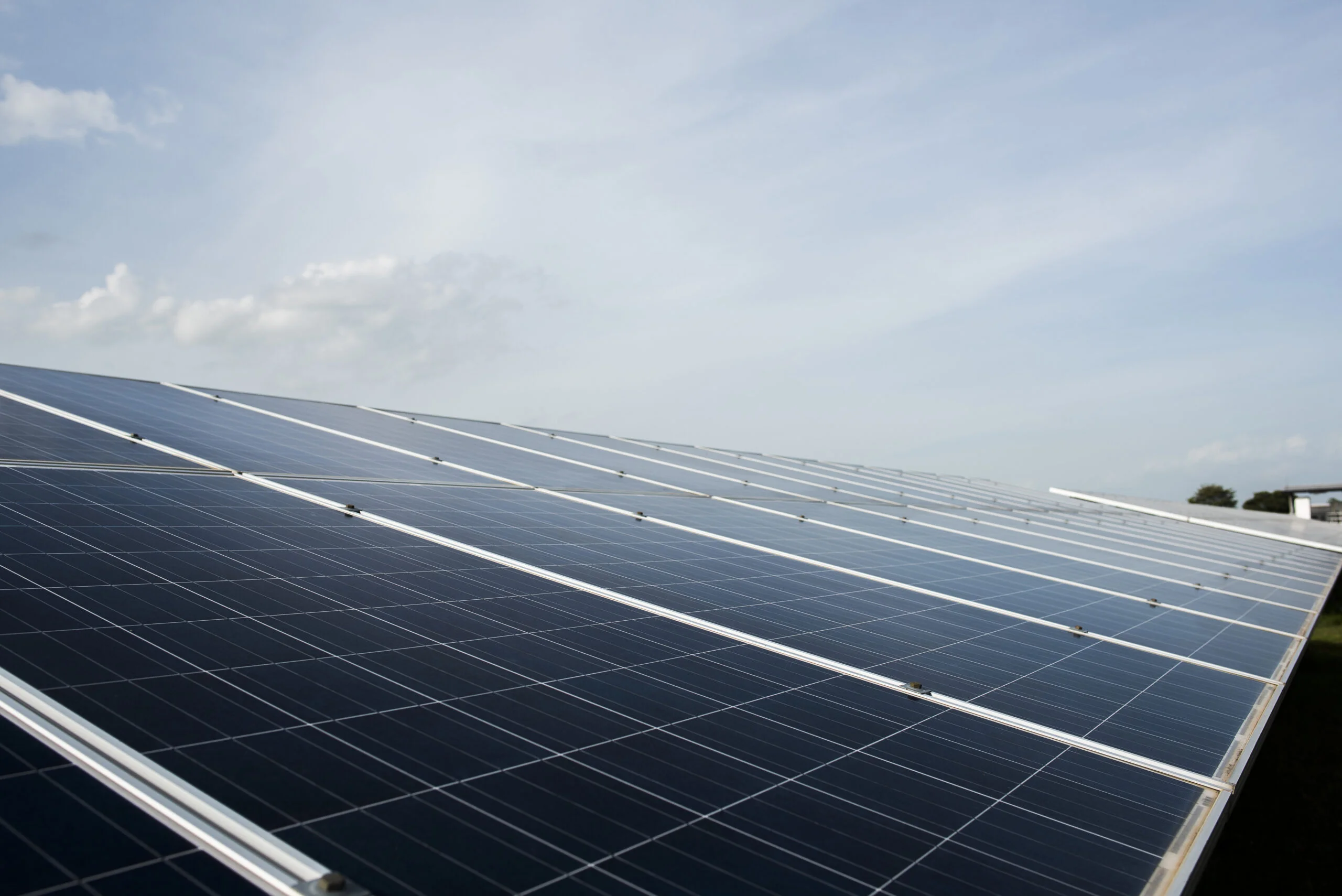
18 × 410W Aptos DNA-108-BF10-410W Modules
Total Output: 7.380 kW DC (STC)
The Aptos 410W modules maintain strong output even in high temperatures, making them ideal for off-grid installations that depend on consistent daily production. Their reliability is essential for any modern solar charging Tesla setup.
Rapid Shutdown (Required for Safety):
18 × Tigo TS4-A-O (700W modules)
These add module-level optimization and rapid shutdown capability, which is required when integrating solar arrays with battery-backed off-grid inverters.
Inverter (AC Side)
EG4 12000XP Off-Grid Inverter (12 kW AC Rating)
- Pure off-grid inverter
- High surge capability suitable for EV charger loads
- Supports large battery banks
- Flexible PV input and configuration options
System Size (AC): 12.000 kW
The 12000XP can power a Tesla Wall Connector at 32–40A while also supporting household loads, making it an excellent foundation for any off-grid EV charging setup.
Battery Storage System
2 × EG4 WallMount Indoor 280Ah Lithium Batteries (14.3 kWh Total Capacity)
Key benefits:
- Long cycle life
- High discharge capability
- Safe wall-mounted, indoor-rated design
- Easily expandable to support additional EV charging demand
A 14.3 kWh bank provides:
- One partial Tesla charge (15–20 percent), or
- Backup home power plus slow daytime off-grid tesla charging
For daily full charging, expanding storage to 30–40 kWh is recommended.
Off-Grid Tesla Charging Performance: What to Expect
1. Daytime Charging (Solar Priority)
A 7.38 kW DC array typically produces 4.5–6.5 kW AC during peak sun hours. This can support:
- Slow to medium-speed Tesla charging (10–20 miles per hour)
- Minimal battery usage
- Maximum efficiency for any tesla solar charging setup
Daytime charging is the most cost-effective and battery-friendly approach.
2. Night Charging (Battery + Inverter Only)
With a 14.3 kWh battery bank, expect:
- 12–18 miles of range overnight
- Higher battery strain at faster charge rates
- Best use cases include emergency, occasional, or low-rate charging
For reliable overnight charging, additional battery storage is necessary.
Off-Grid Safety Components (Recommended)
- 30A DC Disconnect (1000V, IP65) for safe solar array isolation
- 6A, 230V Emergency Stop Button (IP65 Rated) for rapid shutdown
- Garage Heat Detector (Optional) for added safety in indoor battery installations
These components complete a compliant and safe off-grid EV charging solutions system.
So, Can You Charge a Tesla Completely Off-Grid?
Yes, as long as the system is properly sized. With the EG4-based configuration above, you can achieve:
- Daytime solar charging Tesla
- Dependable emergency or partial night charging
- Essential home load support
- Long-term, scalable off-grid tesla charging capability
- A modern and efficient tesla solar charging setup
For daily full EV charging cycles, consider:
- 30–40 kWh of usable battery storage
- A 10–12 kW solar array
- Dual EG4 inverters for increased AC output
EG4 systems are modular, cost-effective, and suited for long-term off-grid EV charging performance.
Final Thoughts
As off-grid living continues to grow, combining solar, EG4 storage, and electric vehicles allows homeowners to achieve genuine energy independence. Whether you charge your Tesla daily, occasionally, or during outages, an EG4-based off-grid system delivers long-term reliability and flexibility.
If you are planning an off-grid EV-ready installation or upgrading an existing solar system, consider exploring high-quality solar, battery, and inverter solutions from Solarestique. Their team can help you design an optimized system tailored to your EV charging needs.