


As electric vehicles (EVs) continue to grow in popularity, the demand for efficient and sustainable charging solutions is increasing quickly. Traditional EV charging stations rely heavily on the electrical grid, which in many areas still depends on fossil fuels. A cleaner and more forward-thinking solution is solar-powered charging. By integrating solar energy into EV infrastructure, we create solar EV charging systems that reduce carbon emissions and lower operating costs.
Solar technology combined with modern charging systems is not just a trend. It is shaping the future of sustainable mobility. This guide explains how solar energy is transforming EV charging stations and why more operators are installing solar panels for EV chargers to build reliable and eco-friendly charging networks.
Why Solar and EV Charging Work Well Together
1. Clean, Renewable Energy
Solar-powered EV charging reduces reliance on fossil fuels and significantly cuts emissions associated with grid electricity. When EV owners charge their vehicles with sunlight instead of carbon-heavy electricity, the environmental benefits increase dramatically.
2. Lower Long-Term Costs
After the initial investment, solar power becomes a low-cost energy source. Businesses that operate EV charging stations can reduce their ongoing electricity expenses, which improves long-term profitability.
3. Energy Independence and Grid Relief
Solar EV charging stations can operate with reduced dependence on the grid. This helps prevent strain during peak demand hours and supports regions with limited or unreliable grid supply.
4. Scalable and Flexible Installation
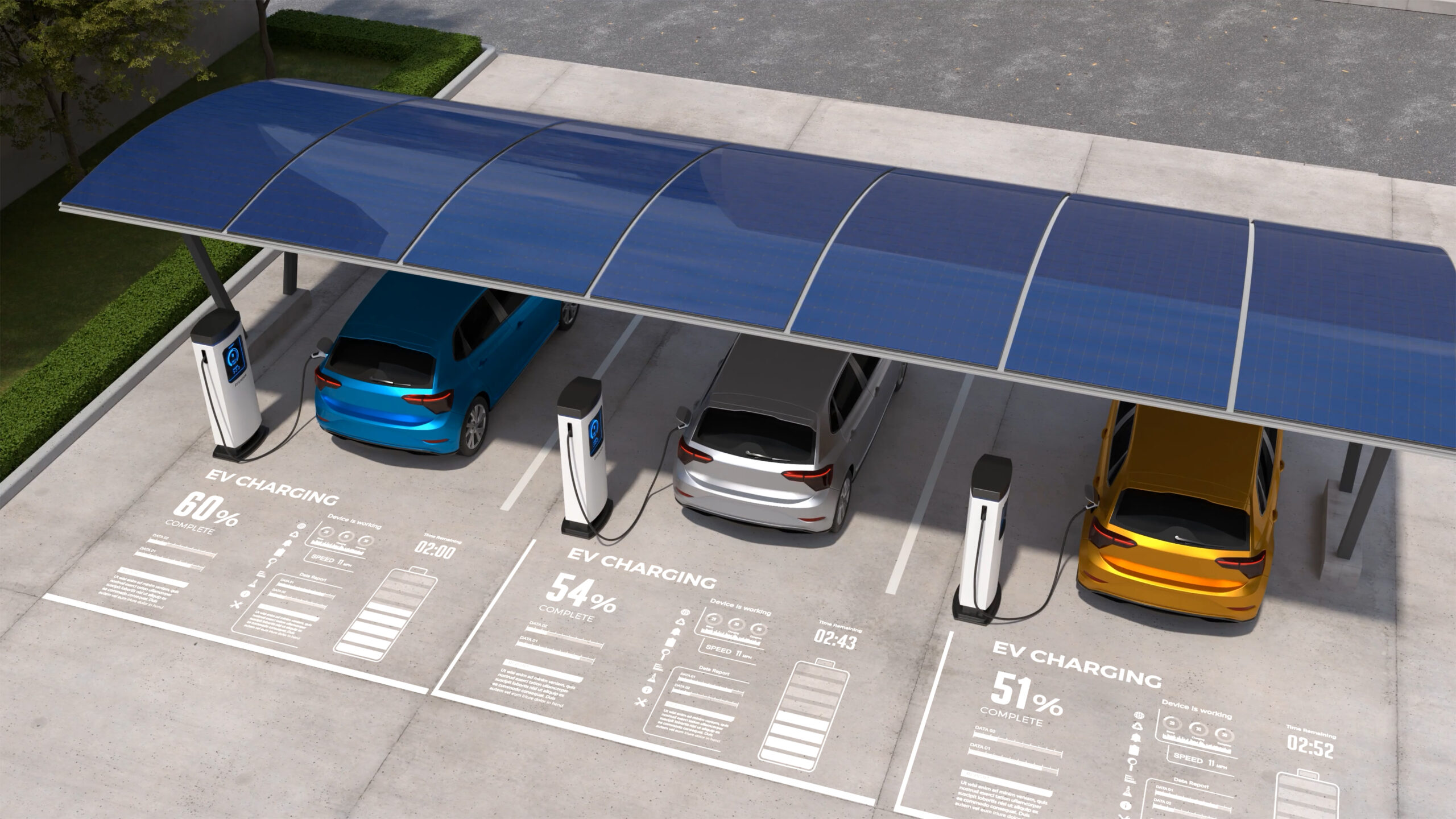
Solar EV chargers can be installed on rooftops, carport structures or open land areas. This flexibility makes them suitable for homes, commercial parking lots, apartment complexes and large corporate spaces.
Benefits of Solar Powered EV Charging Stations
Reliable Charging in Remote or Off-Grid Locations
Solar-based stations are especially beneficial in areas with weak or inconsistent grid power. With the addition of battery storage, these stations can function even during power outages or low-sunlight conditions.
Environmentally Responsible Mobility
EVs already offer lower emissions than gasoline vehicles. Charging them with solar power makes the process even cleaner, helping reduce pollution and the overall carbon footprint of transportation.
Long-Term Financial Savings
Although solar EV charger installations require upfront investment, the lack of recurring electricity costs leads to significant savings over time. For businesses and fleet operators, the financial advantages are substantial.
Positive Brand Image and Customer Attraction
Offering solar EV charging reflects a strong commitment to sustainability. Commercial properties, hotels, malls and offices can attract more environmentally conscious customers and strengthen their brand identity.
Key Components of a Solar EV Charging Station
A complete solar-powered EV charging station typically includes:
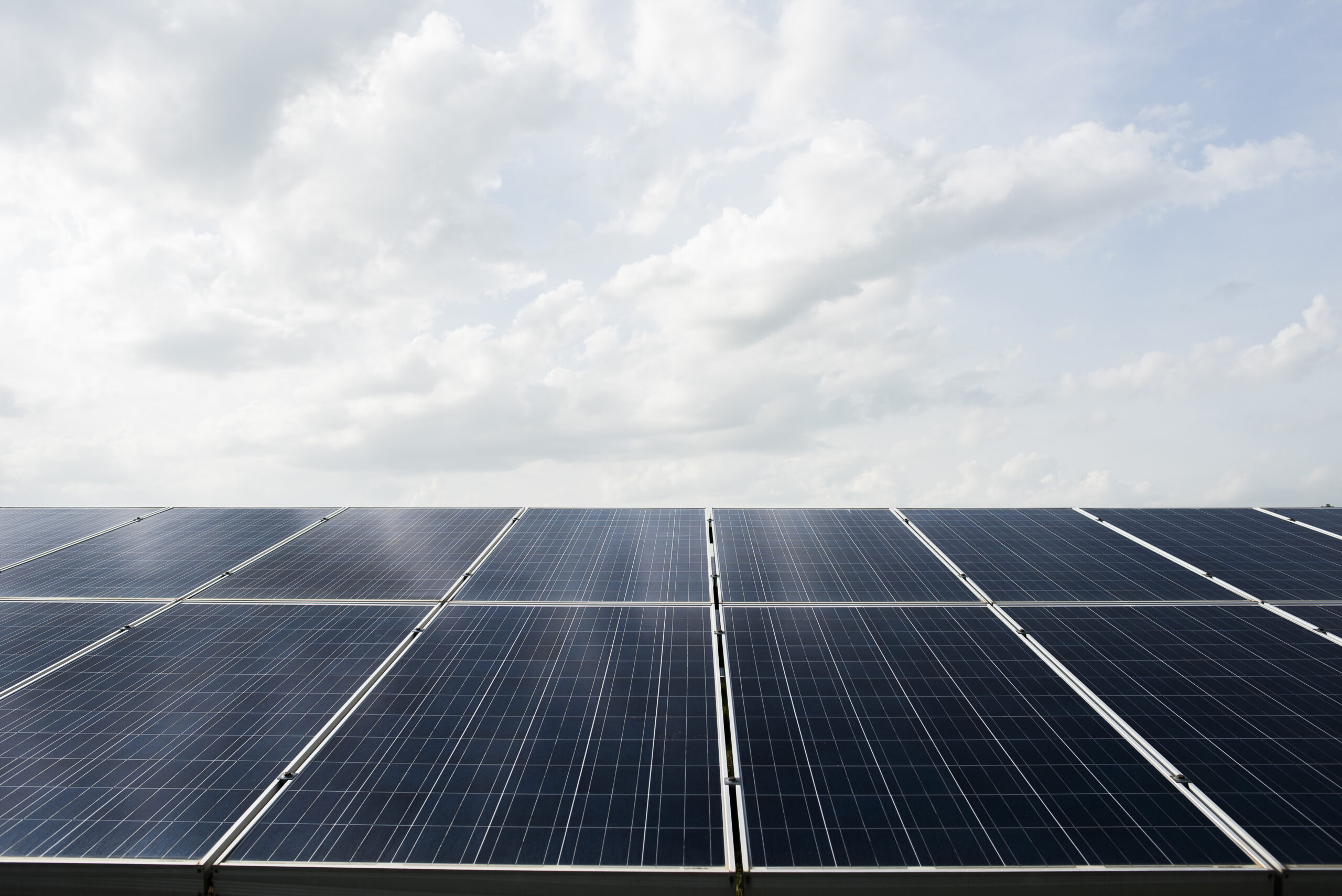
- Solar panels that generate clean electricity
- Inverters that convert the DC output from panels into usable AC power
- Optional battery storage to support night-time or cloudy-day charging
- EV chargers that deliver regulated power to vehicles
- Smart controllers for energy distribution and system monitoring
This setup ensures consistent power delivery, efficient charging and reliable performance regardless of external conditions.
Challenges to Consider
Solar EV charging offers many advantages, but operators should also consider some challenges.
Installation Cost and Space Requirements
Solar arrays require an upfront investment and adequate installation space. Urban areas with limited space may need creative solutions like solar carports.
Weather Dependency
Solar output is influenced by sunlight availability. Cloudy or rainy days can reduce power generation. Battery storage or hybrid grid connections can help maintain reliable charging.
Need for Storage Solutions
To provide 24-hour charging, a battery system or grid backup is typically required. This can increase installation complexity and cost but greatly improves performance and reliability.
Despite these challenges, the long-term benefits of solar EV charging make it a practical and forward-thinking solution for the future.
The Future of EV Charging Is Solar Powered
As EV adoption grows worldwide, the demand for efficient and sustainable charging infrastructure is also increasing. Relying solely on grid electricity may put pressure on existing energy systems. Solar EV charging provides a resilient, scalable and environmentally friendly alternative.
Cities, businesses and residential communities are already beginning to integrate solar panels for EV chargers into parking areas and transportation hubs. As solar technology becomes more affordable and battery systems advance, solar-powered charging will become even more accessible.
The future of mobility is electric and the future of EV charging is powered by the sun.
Power Your EV Station With Professional Solar Design Support
Build a Smarter, Greener EV Charging Station Today
If you are planning to install or upgrade EV charging stations, choosing a solar-integrated design is one of the best long-term investments you can make. Solarestique specializes in EV charging station planning, permitting and solar-ready system design. Their team can help you create an efficient and future-focused charging setup that delivers reliable performance and long-term savings.
Let experts support your transition to clean, solar-powered EV charging and take your project to the next level.
FAQs
Q1. Can solar EV charging stations work at night or during cloudy weather?
Yes. With battery storage or a hybrid setup, these stations can supply power when sunlight is limited.
Q2. Is solar EV charging more cost-effective than grid charging?
Over time, it is. Once installed, solar systems provide free renewable energy, resulting in significantly lower operational costs.
Q3. Are solar EV chargers suitable for both homes and businesses?
Yes. Solar EV charging works for residential properties, commercial buildings, parking facilities and large fleet operations.
Q4. Does solar charging reduce the total carbon footprint of EVs?
Yes. Using solar energy instead of fossil-fuel-based electricity makes EV charging more sustainable.
Q5. What do I need to set up a solar EV charging station?
You need solar panels, an inverter, mounting structures, optional batteries, proper wiring and EV charging equipment. A professional design helps ensure optimal performance and safety.