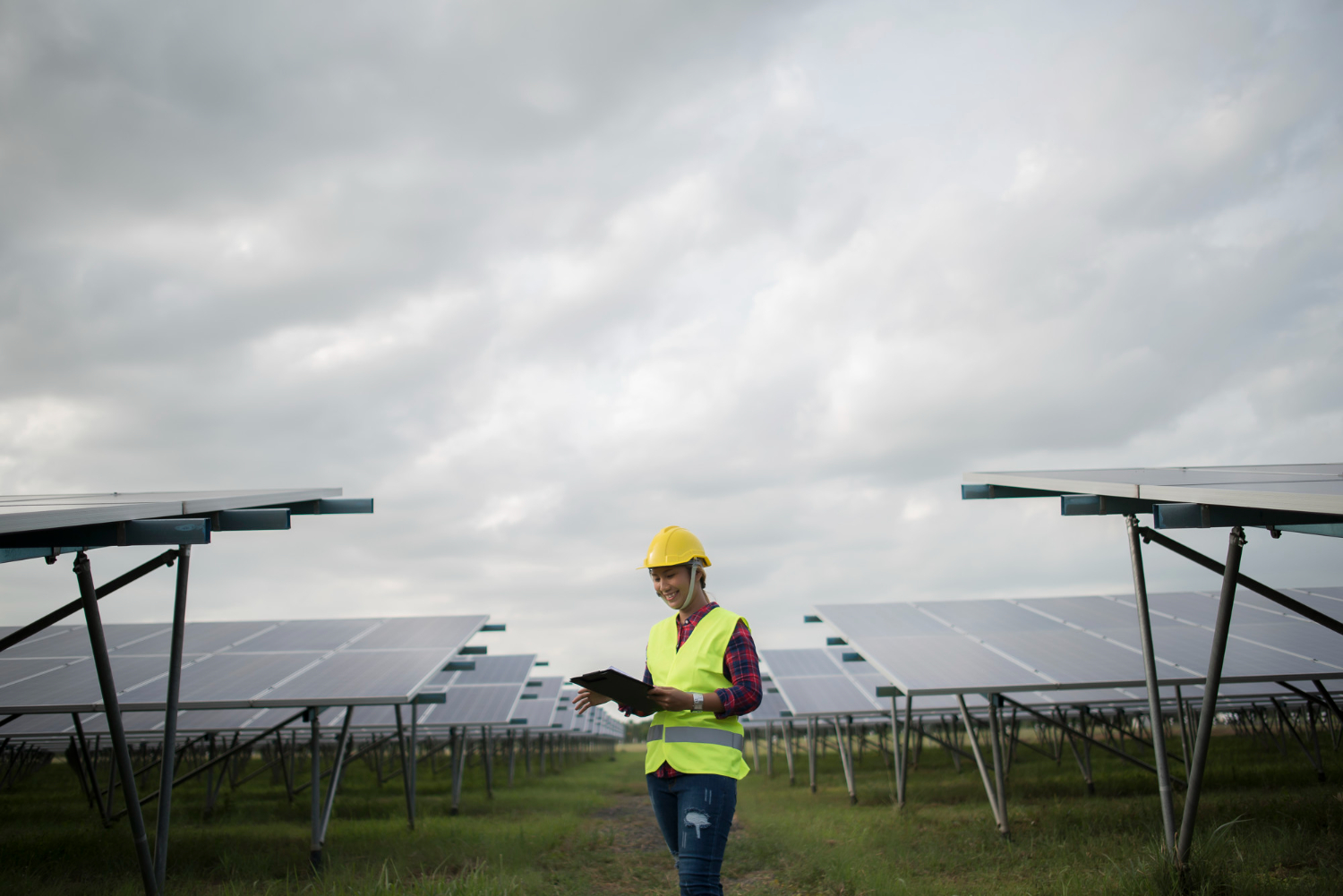
Solar technology has come a long way from rigid rooftop panels. Today, innovation has introduced lighter, thinner, and more adaptable solutions that open up new possibilities for clean energy generation. One of the most exciting developments is flexible solar panels.
Unlike traditional panels, flexible options are designed to bend and adapt to curved or uneven surfaces. This makes them ideal for applications where conventional solar panels are not practical. Understanding when and where to use them can help homeowners, businesses, and mobile users get the most value from this technology.
What Are Flexible Solar Panels?
Flexible solar panels are lightweight photovoltaic panels made using thin film or advanced crystalline materials layered onto flexible backing. This construction allows the panels to bend slightly without breaking, making them suitable for non traditional surfaces.
They are typically thinner and lighter than standard panels, which reduces installation complexity and structural load. While they usually offer slightly lower efficiency than rigid panels, their versatility makes them a smart choice for specific applications.
Where to Use Flexible Solar Panels
Knowing where to use flexible solar panels is key to maximizing their benefits. These panels excel in environments where weight, shape, or portability matters more than maximum output.
One common application is recreational vehicles and camper vans. Curved roofs and limited space make traditional panels difficult to install. Flexible panels conform easily to these surfaces and provide reliable power for lighting, appliances, and charging devices.
Boats and marine environments also benefit greatly. Flexible panels can be mounted on curved decks and cabins without adding excessive weight. Their low profile reduces wind resistance and maintains the vessel’s balance.
Another ideal use is on portable structures such as tents, cabins, and temporary shelters. Flexible solar panels can be installed quickly and removed when no longer needed, making them perfect for off grid adventures and emergency power solutions.
They are also suitable for lightweight rooftops where structural load is a concern. In some cases, sheds, carports, or older buildings cannot support heavy panels. Flexible solutions provide a safer alternative.
These examples highlight the wide range of flexible solar panel uses across mobile, marine, and lightweight applications.
Benefits of Flexible Solar Panels
The benefits of flexible solar panels go beyond adaptability. Their design offers several practical advantages that appeal to a growing range of users.
Lightweight Design
Flexible panels weigh significantly less than traditional panels. This reduces stress on mounting surfaces and simplifies installation.
Ease of Installation
Many flexible panels can be bonded or mounted with minimal hardware. This makes installation faster and less invasive, especially on delicate surfaces.
Versatility
Their ability to bend allows installation on curved or irregular surfaces. This opens up solar opportunities in places where rigid panels cannot be used.
Portability
Flexible solar panels are easy to transport and reposition. This makes them ideal for temporary setups and mobile power needs.
Aesthetic Appeal
Low profile designs blend seamlessly with surfaces, making them less visually intrusive than traditional panels.
These advantages make flexible panels a valuable option when conventional systems are not feasible.
Performance Considerations
While flexible panels offer versatility, it is important to understand their limitations. Flexible solar panels generally have lower efficiency compared to rigid panels. This means they produce less power per square meter.
They can also be more sensitive to heat buildup if installed directly on surfaces without airflow. Proper installation techniques help manage this and improve longevity.
For users with limited space or high energy demands, flexible panels may work best as a supplemental solution rather than a full replacement for rigid systems.
Maintenance and Durability
Modern flexible panels are designed to withstand outdoor conditions, including moisture and UV exposure. However, durability varies by manufacturer and material quality.
Regular cleaning and inspection help maintain performance. Avoid excessive bending beyond manufacturer guidelines to prevent internal damage.
When installed and maintained properly, flexible panels can provide reliable energy for many years.
Are Flexible Solar Panels Right for You?
Choosing the right solar solution depends on your energy needs and installation environment. Flexible solar panels are ideal for users who need lightweight, adaptable, and portable power solutions.
They are particularly useful for mobile lifestyles, off grid setups, and locations where traditional panels are impractical. For permanent residential or commercial rooftops with ample space, rigid panels may still offer higher efficiency.
A professional assessment can help determine whether flexible panels fit your goals.
FAQs
Q: What are flexible solar panels used for?
A: Common flexible solar panel uses include RVs, boats, portable shelters, lightweight rooftops, and off grid applications.
Q: Are flexible solar panels less efficient than rigid panels?
A: Yes. Flexible panels usually have lower efficiency, but their versatility makes them suitable for unique installations.
Q: Can flexible solar panels be installed permanently?
A: Yes. They can be installed permanently if mounted correctly and used within their design limits.
Q: Do flexible solar panels require special maintenance?
A: Maintenance is minimal. Regular cleaning and proper installation help ensure long term performance.
Q: Are flexible solar panels weather resistant?
A: Most modern flexible panels are designed to handle outdoor conditions, but durability depends on product quality.