
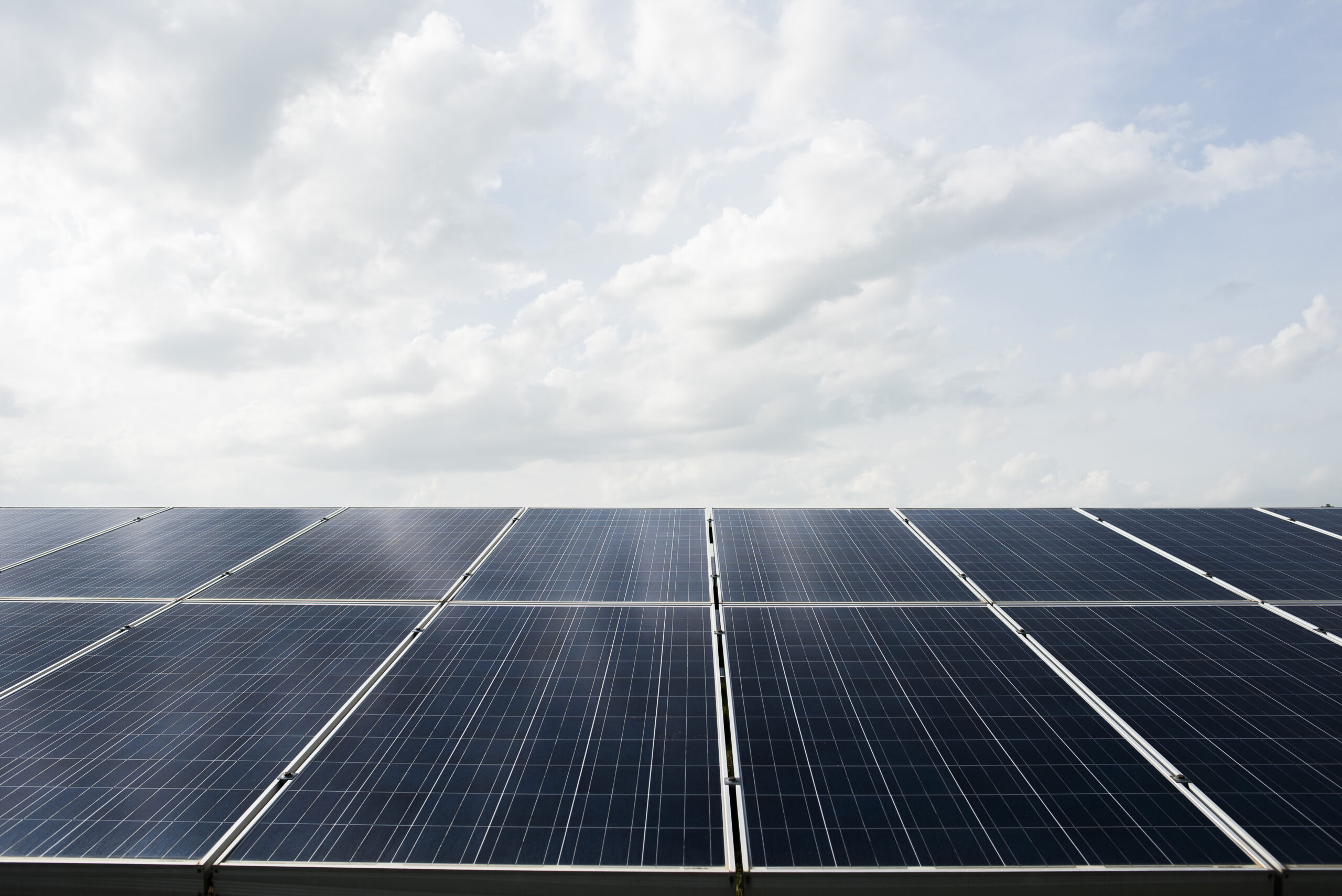


Arizona is one of the best states in the US for solar energy. With abundant sunshine, rising electricity costs, and strong state incentives, homeowners and businesses are increasingly turning to solar and battery installations to take control of their energy use. Whether you want to reduce monthly bills, prepare for outages, or increase property value, understanding how solar and battery systems work in Arizona is essential.
This guide breaks down costs, incentives, and return on investment so you can make an informed decision.
Why Solar and Battery Systems Make Sense in Arizona
Arizona receives more than 300 sunny days per year, making it ideal for solar power generation. A well designed solar system can produce a significant portion of a home’s electricity needs. Adding a battery allows homeowners to store excess energy and use it during peak hours or power outages.
Battery storage is especially valuable in Arizona due to high summer electricity demand and time of use utility rates. Storing energy during low cost periods and using it later can lead to major savings.
Solar Installation Costs in Arizona
The cost of solar installation in Arizona depends on system size, equipment quality, and installation complexity. On average, residential solar systems range from 6 kW to 10 kW.
Typical cost factors include:
- Solar panels and inverters
- Mounting and electrical components
- Labor and permitting
- System design and engineering
Before incentives, solar installation costs in Arizona are generally competitive compared to national averages. Prices have continued to decline as technology improves and demand grows.
Battery Installation Costs
Battery storage costs vary depending on capacity, brand, and backup capability. Most residential battery systems are designed to power essential loads such as lights, refrigeration, and internet during outages.
Battery systems can be installed alongside new solar or added later to an existing system. While batteries increase upfront costs, they provide energy independence, outage protection, and better control over electricity usage.
Arizona Solar Incentives and Tax Credits
One of the biggest advantages of installing solar in Arizona is access to financial incentives.
Federal Solar Tax Credit
Homeowners can claim a federal tax credit for a percentage of the total solar and battery installation cost. This applies to both panels and energy storage systems.
Arizona State Tax Credit
Arizona offers a state level solar tax credit that further reduces the overall cost of installation. This incentive is available for residential solar systems.
Net Metering and Utility Programs
Many Arizona utilities offer net billing programs that credit homeowners for excess solar energy sent back to the grid. While program details vary by utility, they still contribute to long term savings.
These incentives significantly improve the affordability and return on investment of solar systems.
Return on Investment for Solar and Batteries
The return on investment for solar and battery installations in Arizona is strong due to high electricity rates and abundant sunshine.
Most homeowners see payback periods ranging from 6 to 10 years depending on system size, incentives, and energy usage. After the system pays for itself, electricity savings continue for decades.
Battery storage improves ROI by reducing reliance on grid power during peak pricing hours and providing backup energy during outages. Homes with solar and batteries often see increased property value as well.
Solar and Battery Installation Process
The installation process typically includes:
- Energy usage assessment
- Site evaluation and system design
- Permitting and utility approvals
- Installation of panels and battery system
- Inspection and system activation
Professional installation ensures safety, performance, and compliance with local regulations.
Is Solar with Battery Right for You?
Solar and battery systems are ideal for Arizona homeowners who want energy independence, lower bills, and protection from outages. They are also attractive for businesses looking to manage energy costs and demonstrate sustainability.
Factors such as roof condition, shading, electricity usage, and budget should be evaluated before installing a system. A professional consultation helps determine the best setup for your needs.
Final Thought
Solar and battery installations offer Arizona homeowners and businesses a powerful way to reduce energy costs, gain independence, and protect against outages. With strong incentives and excellent solar conditions, now is an ideal time to invest in clean energy. To get more information and expert guidance tailored to your needs, connect with Solarestique and take the next step toward smarter energy solutions.
FAQs
How much can I save with solar in Arizona?
Savings depend on system size and energy usage, but many homeowners save thousands of dollars over the life of the system.
Are batteries necessary with solar panels?
Batteries are not required but provide backup power, greater energy control, and increased savings with time of use rates.
How long do solar panels last?
Most solar panels are designed to last 25 to 30 years with minimal maintenance.
Can batteries power my entire home?
Battery capacity varies. Some systems power essential loads, while larger setups can support most household needs.
Do solar panels increase home value in Arizona?
Yes. Homes with solar systems often sell faster and at higher values compared to non solar homes.