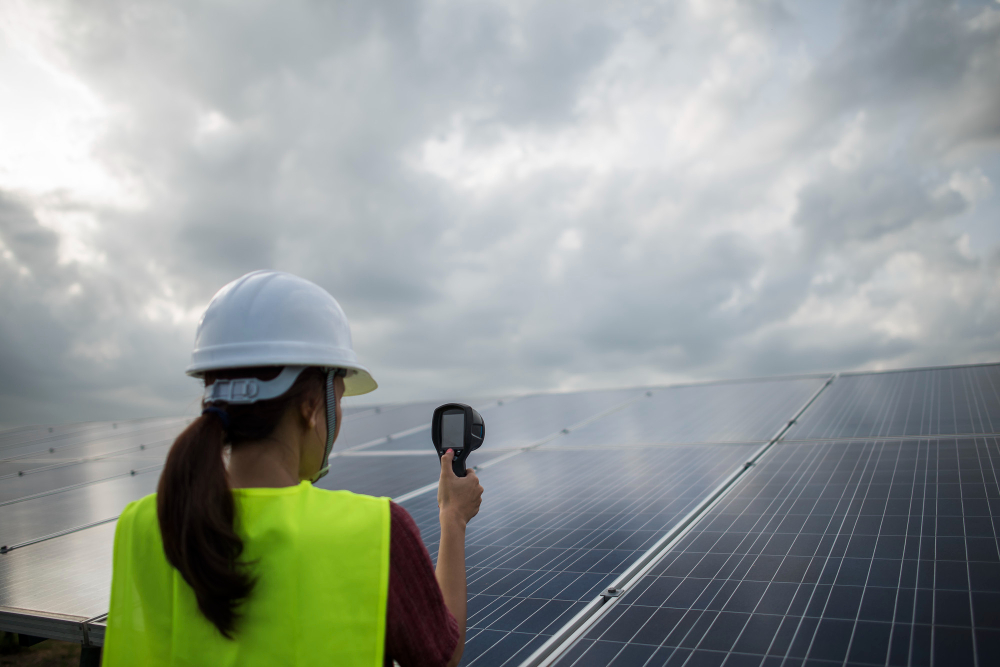
Installing solar panels in Miami-Dade County comes with unique challenges. Unlike most regions, this area falls under the High Velocity Hurricane Zone, which means stricter building codes, structural standards, and inspection requirements. While these rules are designed to protect homes and businesses from extreme weather, they can make the approval process more complex for solar projects.
Understanding the Miami-Dade solar inspection requirements is essential if you want your installation to pass without delays. Whether you are a homeowner or a contractor, proper planning, compliance, and expert guidance can make all the difference.
Why Miami-Dade Has Strict Solar Inspection Rules
Miami-Dade County is one of the most hurricane prone regions in the United States. Because of this, all construction projects must meet enhanced safety standards. Solar systems must be designed and installed to withstand strong winds, heavy rain, and flying debris.
The solar inspection High Velocity Hurricane Zone (HVHZ) guidelines focus on structural integrity, electrical safety, and proper installation techniques. These rules ensure that solar panels remain secure even during severe storms.
Failing to meet these standards can result in inspection failures, costly corrections, and project delays.
How to Pass Solar Inspections Miami-Dade County
Passing a solar inspection in Miami-Dade requires attention to detail at every stage of the project. From design to installation, every step must align with local codes and HVHZ standards.
Here are the key steps to ensure success:
1. Follow Proper Solar Permitting Procedures
The Miami solar permitting and inspection process begins with obtaining the correct permits. Your application must include detailed system designs, structural calculations, and equipment specifications.
Ensure that all documents are accurate and complete before submission. Errors in paperwork are one of the most common reasons for delays.
2. Meet HVHZ Solar Installation Requirements
The HVHZ solar installation requirements Florida are stricter than standard building codes. These rules specify how solar panels must be mounted, secured, and connected.
Installations must be designed to withstand high wind speeds and uplift forces. Using approved materials and certified components is essential for passing inspection.
3. Use Approved Mounting Systems
One of the most critical aspects of compliance is following the HVHZ solar mounting requirements Miami-Dade. Mounting systems must be tested and approved for hurricane zone conditions.
Inspectors will check:
- Roof attachment methods
- Fastener types and spacing
- Waterproofing and sealing
- Structural load distribution
Choosing the right mounting system ensures your solar panels remain secure during extreme weather events.
4. Ensure Accurate Electrical Work
Electrical compliance is another key part of the Miami-Dade solar inspection requirements. Inspectors will review wiring, grounding, and inverter connections to ensure safety and reliability.
Make sure:
- All electrical components are properly labeled
- Wiring meets code standards
- Grounding systems are correctly installed
Professional installation reduces the risk of errors and improves the chances of passing inspection.
5. Schedule Pre Inspection Checks
Before the official inspection, it is a good idea to conduct a thorough internal review. This step helps identify and fix any issues in advance.
Review all aspects of the system, including mounting, wiring, and documentation. Preparing for the solar inspection High Velocity Hurricane Zone (HVHZ) process in advance can save time and prevent re inspections.
Common Mistakes That Lead to Inspection Failures
Even small errors can cause a solar project to fail inspection in Miami-Dade County. Some of the most common issues include:
- Incomplete or incorrect permit documents
- Non compliant mounting systems
- Improper roof attachments
- Electrical wiring mistakes
- Missing labels or safety markings
Avoiding these mistakes is key to passing the Miami solar permitting and inspection process smoothly.
Benefits of Meeting HVHZ Solar Standards
While the requirements may seem strict, they offer important advantages for property owners.
Increased Safety
Systems built to HVHZ standards are designed to withstand extreme weather conditions.
Long Term Durability
High quality materials and proper installation ensure your solar system lasts longer.
Insurance and Compliance Benefits
Meeting the HVHZ solar installation requirements Florida can help with insurance approvals and property value.
Peace of Mind
Knowing your system is built to handle hurricanes provides confidence and security.
Why Professional Support Matters
Navigating the Miami-Dade solar inspection requirements can be challenging without expert guidance. Working with experienced professionals ensures that your project meets all technical and regulatory standards.
From design to final inspection, experts understand the HVHZ solar mounting requirements Miami-Dade and ensure every detail is handled correctly. This reduces delays and increases the likelihood of first time approval.
Final Thoughts
Installing solar panels in Miami-Dade County requires careful planning and strict compliance with HVHZ standards. By understanding the requirements and following best practices, you can ensure a smooth inspection process and a reliable solar system.
If you want expert support to navigate solar permitting, design, and inspections, connect with Solarestique and get professional guidance for a safe and successful solar installation.
FAQs
What is the High Velocity Hurricane Zone (HVHZ)?
The HVHZ is a designated region in Florida, including Miami-Dade County, where stricter building codes apply to withstand hurricanes.
Why are solar inspections stricter in Miami-Dade?
Due to the high risk of hurricanes, solar systems must meet enhanced safety and structural standards.
How long does the inspection process take?
The timeline varies, but proper preparation and compliance with the Miami solar permitting and inspection process can speed up approvals.
What happens if my solar system fails inspection?
You will need to correct the issues identified by the inspector and schedule a re inspection.
Can I install solar panels myself in HVHZ areas?
While possible, it is highly recommended to work with professionals familiar with solar inspection High Velocity Hurricane Zone (HVHZ) requirements.