
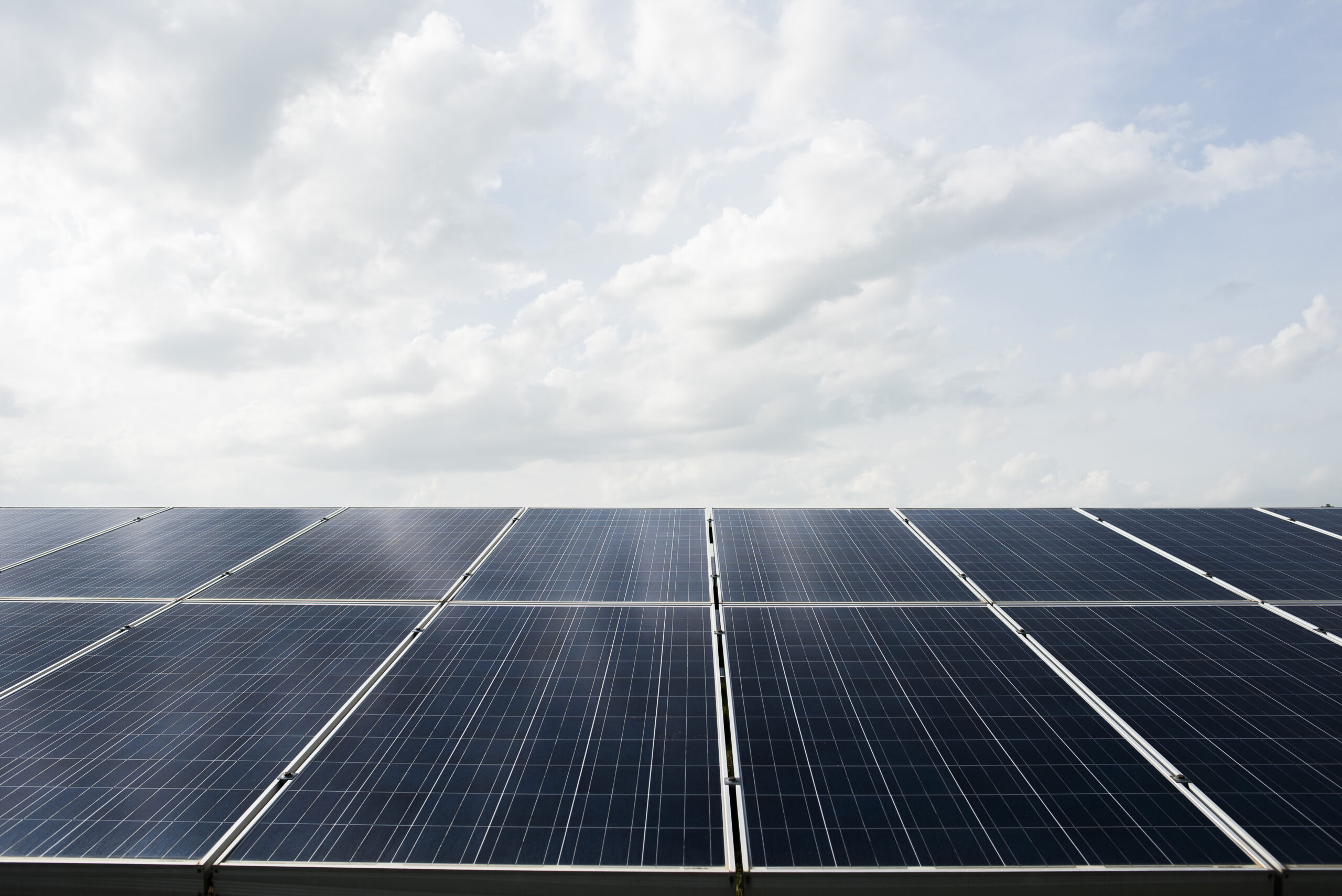



Florida continues to be one of the fastest growing solar markets in the United States. With abundant sunshine, rising electricity costs, and strong interest in clean energy, more homeowners are choosing rooftop solar. However, one area that often causes confusion is solar permitting in Florida.
As we move into 2026, understanding how the permitting process works, what has changed, and how to avoid delays can save homeowners time, money, and frustration. This guide simplifies Florida’s solar permitting requirements so you can move forward with confidence.
What Is Solar Permitting and Why It Matters
Solar permitting is the approval process required before a solar system can be installed and connected to the grid. Local authorities and utilities review system designs to ensure they meet safety, building, and electrical codes.
In Florida, permitting plays an especially important role due to hurricane risk, wind load requirements, and local building regulations. Proper permitting ensures your system is safe, durable, and compliant with state and local laws.
Without approved permits, installations can face delays, fines, or even removal.
Overview of Solar Permitting in Florida
Solar permitting in Florida typically involves coordination between local building departments, utilities, and sometimes homeowner associations. While Florida has made progress toward streamlining approvals, permitting requirements still vary by county and city.
Most homeowners will need approvals for:
- Building permits
- Electrical permits
- Utility interconnection agreements
Some jurisdictions have adopted faster review systems, but others still rely on manual processing.
Understanding Florida solar permitting requirements early helps prevent surprises later in the installation process.
Residential Solar Permitting in Florida Explained
Residential solar permitting in Florida focuses on protecting homeowners and ensuring systems can withstand extreme weather conditions. Roof structure, attachment methods, and electrical components are carefully reviewed.
Key factors reviewed during permitting include:
- Roof condition and structural integrity
- Wind load and uplift resistance
- Electrical system compatibility
- Compliance with state and local building codes
In coastal areas, additional requirements may apply to ensure systems can handle higher wind speeds.
Working with experienced professionals familiar with local rules is essential for navigating these requirements smoothly.
Florida Solar Permits and Approval Timelines
The timeline for obtaining Florida solar permits varies depending on location and permitting authority. In some areas, approvals may take just a few days. In others, it can take several weeks.
Common causes of delays include:
- Incomplete permit applications
- Incorrect system designs
- Missing documentation
- Backlogs at local permitting offices
In 2026, many Florida jurisdictions are expanding digital permitting systems, which can significantly reduce approval times when applications are submitted correctly.
What Homeowners Need to Prepare
Homeowners play an important role in keeping the permitting process moving smoothly. While installers typically handle paperwork, you may need to provide certain information.
This may include:
- Proof of property ownership
- HOA approval if applicable
- Utility account details
- Signed authorization forms
Being responsive and organized helps prevent unnecessary delays during solar permitting in Florida.
Common Challenges with Florida Solar Permitting
Even with improvements, Florida solar permitting can still present challenges for homeowners.
One common issue is inconsistent requirements across jurisdictions. What is approved quickly in one city may require additional documentation in another.
Another challenge is coordinating between multiple parties, including installers, inspectors, and utilities. Miscommunication can lead to inspection failures or resubmissions.
Understanding the process and working with knowledgeable professionals helps minimize these obstacles.
How the Permitting Process Is Improving in 2026
Florida continues to move toward faster and more standardized solar permitting. Many local governments are adopting online application portals and standardized checklists.
These improvements aim to:
- Reduce approval times
- Improve consistency across jurisdictions
- Lower administrative costs
- Encourage residential solar adoption
While not all areas have fully streamlined processes yet, the trend is toward greater efficiency.
Why Professional Support Matters
Navigating solar permitting in Florida requires attention to detail and familiarity with local rules. Professional solar service providers understand regional requirements and handle permitting on behalf of homeowners.
This expertise helps ensure:
- Accurate applications
- Faster approvals
- Compliance with safety standards
- Fewer inspection issues
For homeowners, this means less stress and a smoother path to solar activation.
Final Thought
Solar energy offers Florida homeowners long term savings and energy independence, but the permitting process must be handled correctly to avoid delays and complications. With the right knowledge and professional support, solar permitting can be straightforward and stress free. To get more information and expert assistance with solar permitting in Florida, contact Solarestique and take the next step toward a seamless solar installation.
FAQs
How long does solar permitting take in Florida?
Timelines vary by location, but most permits are approved within one to four weeks when applications are complete.
Do all Florida homes need solar permits?
Yes. All grid connected residential solar systems require permits and utility approval.
Are permits different for each Florida county?
Yes. While state codes apply, local jurisdictions may have additional requirements.
Can homeowners apply for solar permits themselves?
Technically yes, but most homeowners rely on professionals to avoid errors and delays.
What happens if solar is installed without permits?
Unpermitted systems can face fines, failed inspections, or required removal.