
As electricity costs rise and sustainability becomes a priority, solar energy continues to attract homeowners and businesses alike. One of the most common and efficient solar solutions available today is the grid-connected solar system. This system allows users to generate their own electricity while staying connected to the public utility grid.
Understanding how a grid-connected PV system works, its components, and its advantages can help you decide whether it is the right choice for your energy needs.
What Is a Grid-Connected Solar System?
A grid-connected solar system is a solar power setup that operates alongside the local utility grid. Instead of storing excess energy in batteries, surplus electricity generated by the solar panels is exported to the grid. When solar production is low, electricity is drawn from the grid as needed.
This type of system is also commonly known as an on-grid solar PV system or a grid-tied PV system. It is widely used in residential, commercial, and industrial applications due to its cost effectiveness and simplicity.
Key Components of a Grid-Connected PV System
A well designed grid-connected PV system relies on several essential components working together seamlessly.
Solar Panels
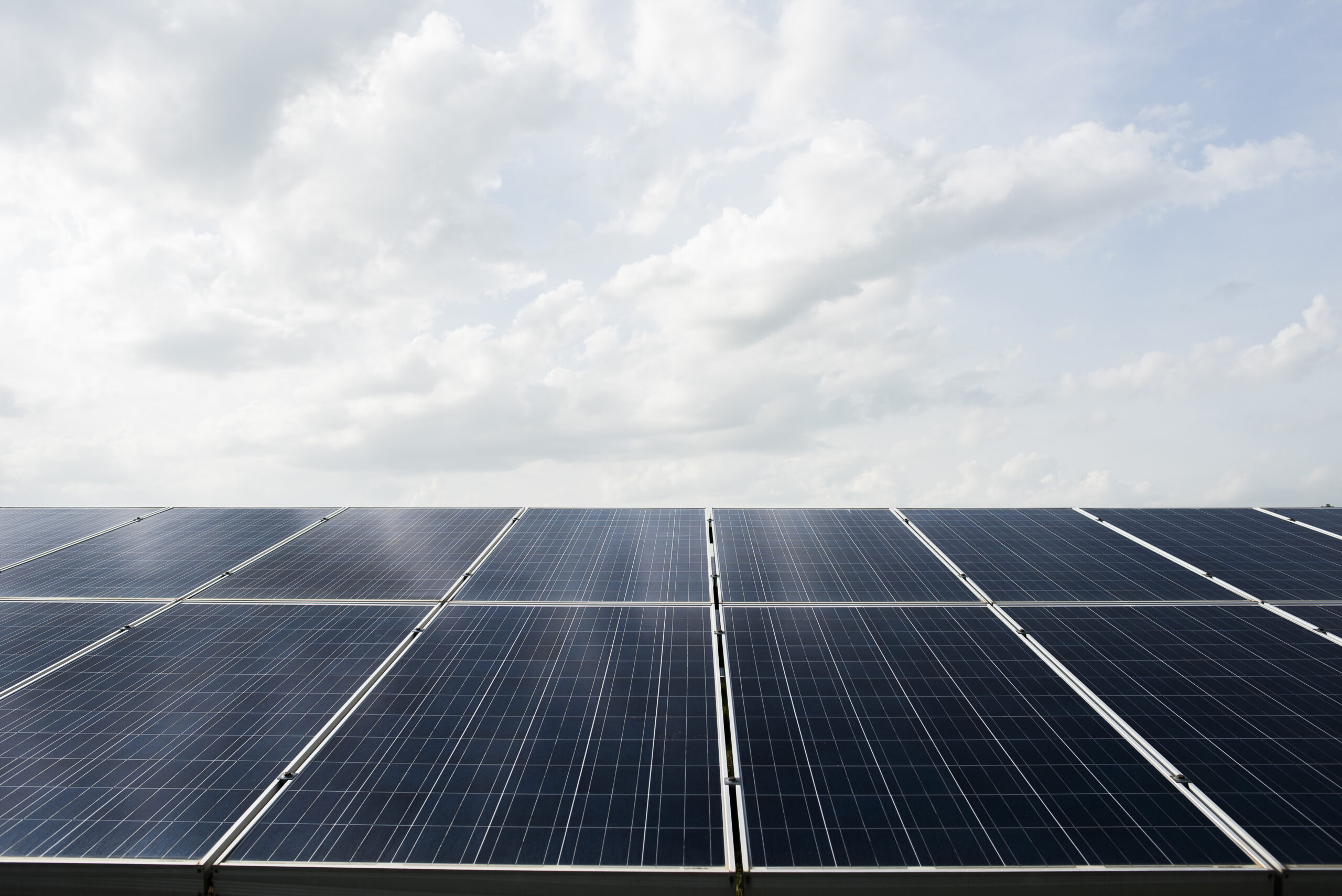
Solar panels capture sunlight and convert it into direct current electricity. Panel quality and placement directly affect energy output.
Grid-Tied Inverter
The inverter converts direct current into alternating current, making it compatible with household appliances and the utility grid. It also synchronizes voltage and frequency with the grid.
Net Meter
A bidirectional meter tracks electricity exported to and imported from the grid. This enables net metering, where excess energy can offset future electricity bills.
Electrical Panel and Safety Devices
These components distribute electricity safely throughout the building and ensure the system disconnects during grid outages for safety.
Together, these elements form a reliable grid-connected photovoltaic system that delivers consistent energy performance.
How a Grid-Connected PV System Works
During daylight hours, solar panels generate electricity. This power is first used to meet on-site energy demand. If production exceeds consumption, the excess energy is sent to the grid.
At night or during cloudy conditions, when solar output is low, electricity is automatically drawn from the grid. This seamless exchange allows users to enjoy uninterrupted power without the need for battery storage.
A grid-connected PV system operates efficiently because it uses the grid as a virtual backup, eliminating the complexity of energy storage.
Benefits of Grid-Connected Solar Systems
There are several reasons why grid-connected systems remain the most popular solar option.
Lower Initial Cost
Since batteries are not required, installation costs are significantly lower compared to hybrid or off-grid systems.
High Efficiency
Modern inverters and solar panels ensure minimal energy loss, making the on-grid solar PV system highly efficient.
Net Metering Advantages
Exported electricity can earn credits or reduce utility bills, depending on local regulations.
Minimal Maintenance
With fewer components, maintenance requirements are low, reducing long term operational costs.
Scalable Design
Systems can be expanded easily as energy needs grow, especially for commercial applications.
These benefits make the grid-tied PV system an attractive option for many property owners.
Drawbacks to Consider
While a grid-connected solar system offers many advantages, it also has limitations.
No Power During Grid Outages
For safety reasons, most grid-connected systems shut down during power cuts. This prevents electricity from feeding into damaged grid lines.
Dependence on Utility Policies
Savings depend on net metering rules and electricity tariffs, which vary by location.
No Energy Storage
Without batteries, excess energy cannot be stored for later use unless additional components are added.
Understanding these drawbacks helps users make informed decisions and plan for future upgrades if needed.
Who Should Choose a Grid-Connected Photovoltaic System?
A grid-connected photovoltaic system is ideal for homes and businesses with reliable grid access and moderate to high daytime energy consumption.
It is especially suitable for urban and suburban locations where grid stability is high and net metering policies are favorable. Businesses with predictable operating hours can also benefit from significant energy savings.
For users seeking simplicity, affordability, and strong returns, this system remains a smart choice.
Future Expansion and Hybrid Options
Many property owners start with a grid-connected solar system and later add battery storage as energy needs evolve. This flexible approach allows users to enjoy immediate savings while keeping the option open for increased energy independence.
Advancements in inverter technology make future upgrades smoother and more cost effective.
Final Thought
A grid-connected PV system offers an efficient and cost effective way to harness solar energy while staying connected to the utility grid. With the right design and professional support, it can deliver reliable savings for decades. To get more information and expert guidance on installing a grid-connected solar system, contact Solarestique and take the next step toward smarter energy solutions.
FAQs
Q: What is an on-grid solar PV system?
A: An on-grid solar PV system is connected to the utility grid and allows excess solar energy to be exported rather than stored in batteries.
Q: Is a grid-connected PV system suitable for homes?
A: Yes. A grid-connected PV system is ideal for residential properties with stable grid access and net metering availability.
Q: Does a grid-tied PV system work during power cuts?
A: No. A grid-tied PV system typically shuts down during outages to protect utility workers and equipment.
Q: Can I add batteries to a grid-connected photovoltaic system later?
A: Yes. Many systems are designed to allow battery integration in the future.
Q: How long does a grid-connected solar system last?
A: Most systems last 25 years or more with proper installation and maintenance.