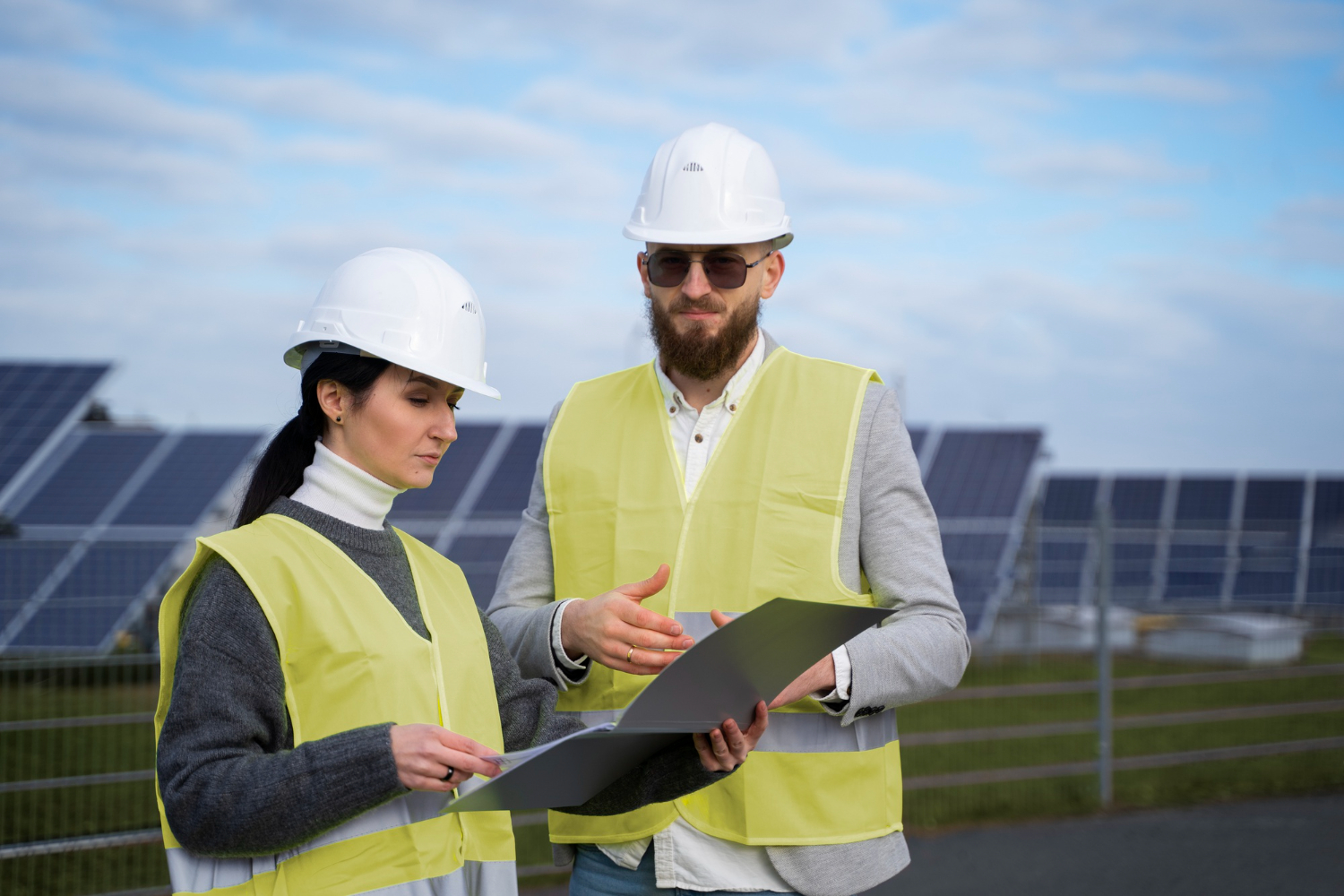
Installing solar panels yourself can be a rewarding way to reduce energy costs and take control of your power generation. However, before any DIY solar project begins, one crucial step must be completed properly: securing a solar permit in North Carolina. Understanding the permitting process helps you avoid delays, fines, or failed inspections and ensures your system is safe and compliant.
This guide walks you through everything homeowners need to know to obtain a solar permit for a DIY installation in North Carolina.
Why Solar Permits Are Required in North Carolina
A solar permit ensures that your solar system meets building, electrical, and safety codes. Local authorities review your plans to confirm that the installation will not compromise roof integrity, electrical safety, or grid reliability.
In North Carolina, permits are required for nearly all grid connected residential solar systems, including DIY installations. Without approval, you may face penalties or be required to remove the system entirely.
Applying for a solar permit in North Carolina protects both homeowners and utility infrastructure.
Understanding Local Permitting Requirements
Solar permitting in North Carolina is managed at the local level, meaning requirements can vary by county or city. While statewide building codes apply, local authorities may have additional documentation or inspection rules.
Most jurisdictions require approval for:
- Structural safety and roof mounting
- Electrical system compliance
- Utility interconnection
Before starting your project, contact your local building department to confirm specific requirements for your area.
Residential Solar Permit in North Carolina Explained
A residential solar permit in North Carolina focuses on ensuring that rooftop systems are safely installed and compatible with existing home infrastructure.
During the review process, officials typically evaluate:
- Roof condition and load capacity
- Mounting hardware and attachment methods
- Electrical wiring and grounding
- Inverter and disconnect placement
DIY installers must provide clear and accurate documentation, as mistakes often lead to application rejections or delays.
Step by Step Guide to Getting a Solar Permit
Obtaining a solar permit in North Carolina for a DIY project involves several steps. Following them carefully improves your chances of fast approval.
Step 1: Prepare Your System Design
Create a detailed system plan that includes panel layout, mounting details, electrical diagrams, and equipment specifications. Many jurisdictions require stamped drawings, even for DIY projects.
Step 2: Submit Permit Application
Submit your application to the local building department. This may be done online or in person depending on your jurisdiction. Be sure all required forms and documents are included.
Step 3: Pay Permit Fees
Permit fees vary by location and system size. These fees cover plan review and inspections.
Step 4: Plan Review
The building department reviews your application for code compliance. If corrections are needed, you will receive a request for revisions.
Step 5: Schedule Inspections
Once approved, you can proceed with installation. After completion, inspections are required before the system can be energized.
Solar Panel Permit in North Carolina and Utility Approval
In addition to local permits, a solar panel permit in North Carolina often requires coordination with your utility company. Utilities review systems to ensure they meet interconnection standards and do not impact grid stability.
Utility approval typically includes:
- Interconnection application
- System specifications
- Proof of permit approval
Final permission to operate is granted only after all inspections and approvals are complete.
Common Mistakes DIY Installers Should Avoid
DIY solar installations often face permitting delays due to avoidable errors. Common mistakes include incomplete diagrams, incorrect equipment specifications, or failure to follow local code updates.
Another frequent issue is underestimating inspection requirements. Inspectors may request changes if installations do not match approved plans.
Understanding the full scope of the solar permit in North Carolina process helps reduce costly rework.
Timeline for Solar Permits in North Carolina
Approval timelines vary depending on jurisdiction and application quality. In many areas, permits are approved within one to three weeks when documentation is complete.
Delays usually occur due to missing information or high application volume. Submitting accurate and detailed plans helps keep your project on track.
Is DIY Solar Right for You?
DIY solar installations can save money upfront, but they require careful planning, technical knowledge, and time. Permitting is often the most challenging part of the process.
Homeowners who prefer a smoother experience may benefit from professional support, especially when navigating local regulations and inspections.
Final Thought
Getting a solar permit may seem complex, but with the right preparation, DIY solar projects in North Carolina can move forward smoothly and safely. Understanding local requirements and submitting accurate documentation are key to success. For expert guidance and support throughout the solar permitting process, contact Solarestique and make your DIY solar installation easier and more reliable.
FAQs
Do I need a permit for a DIY solar system in North Carolina?
Yes. A residential solar permit in North Carolina is required for grid connected systems, including DIY installations.
How much does a solar permit cost in North Carolina?
Costs vary by jurisdiction and system size but typically range from modest to moderate fees.
Can I install solar panels without utility approval?
No. Utility approval is required before your system can operate legally.
How long does the permitting process take?
Most permits are approved within a few weeks if applications are complete and accurate.
What happens if I install solar without a permit?
Unpermitted systems may face fines, inspection failures, or mandatory removal.
One Response
I am interested in permitting assistance for a residential 10 to 15 KW solar system with approx. 15 KWH LiFePo4 house battery and a bi-directional CCS2 EV charger for a vehicle with 77 KWH battery. Location is 209 Daniel Dr. in Laurel Park, NC.