
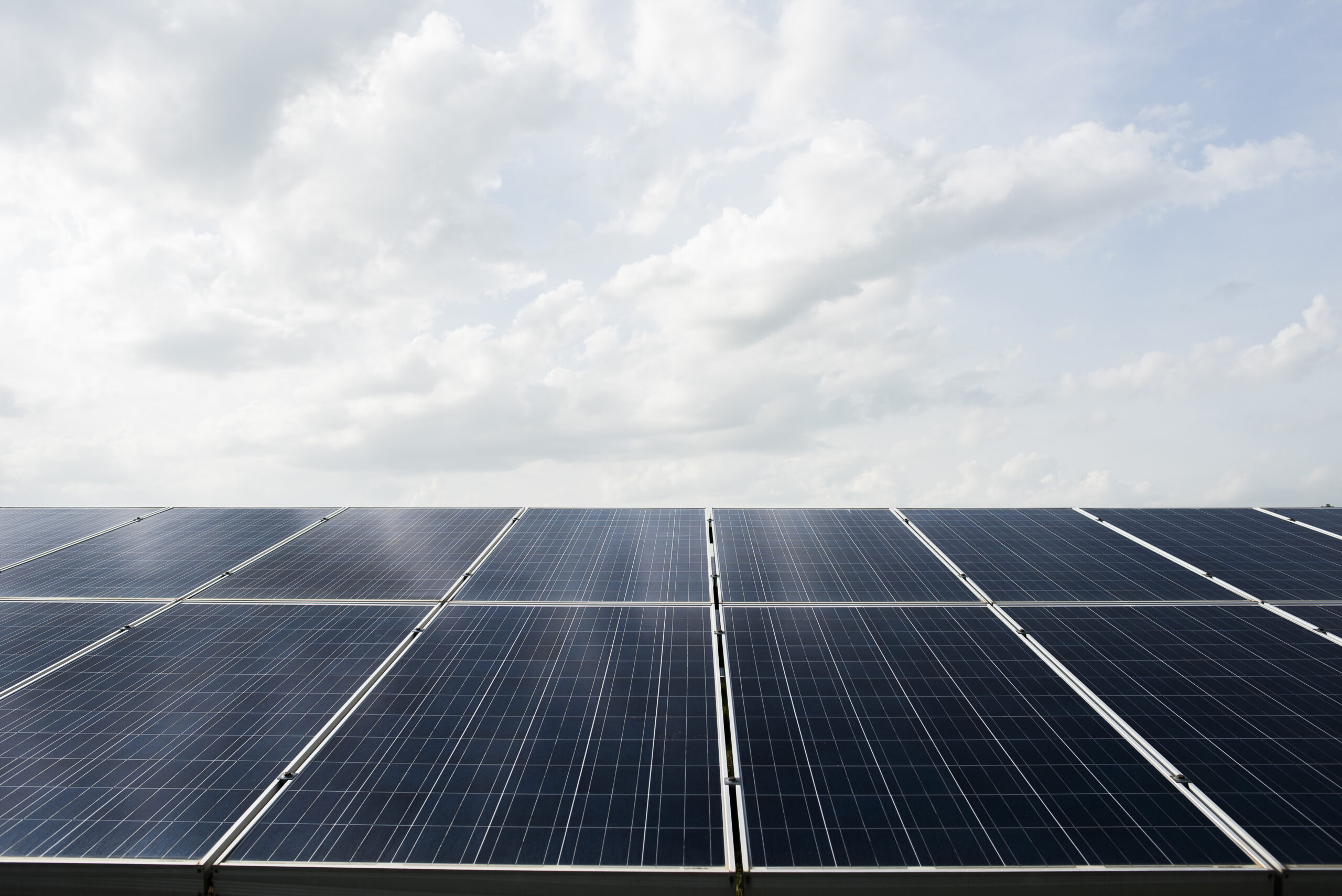



Across South West England, thousands of homes installed solar panels between 2011 and 2016. At the time, the focus was simple: generate clean electricity and benefit from feed in tariffs. Fast forward to today, and energy prices have risen sharply, export payments have dropped, and many homeowners are asking the same question. How can I use more of my own solar power?
The answer for many is battery retrofitting. Adding a solar battery retrofit to an existing system allows homeowners to store excess energy instead of sending it back to the grid. This upgrade can dramatically improve energy independence, reduce electricity bills, and extend the value of older solar installations.
Why Older Solar Systems Still Have Huge Potential
Solar panels installed a decade ago are often still performing well. Most panels degrade slowly and continue producing usable energy for 25 years or more. The problem is not generation. It is usage.
Without battery storage, excess solar power generated during the day is exported to the grid. In South West England, where daylight hours are strong in spring and summer, this often means homeowners use only a fraction of what they produce.
Retrofitting a battery transforms this situation. Instead of exporting energy at low rates, homeowners can store it and use it later in the evening or during peak demand times.
How Battery Retrofitting Works
Battery retrofitting involves integrating an energy storage system into an existing solar setup. This process does not require replacing panels or inverters in many cases. A compatible battery system is added alongside the current infrastructure.
Stored energy can then be used when solar production drops, such as at night or during cloudy periods. This is particularly valuable in South West England, where seasonal weather changes can affect generation patterns.
Modern battery systems are smart, efficient, and designed to work with older installations, making retrofitting both practical and cost effective.
Key Benefits for Homeowners in South West England
Greater Energy Independence
Battery storage reduces reliance on the grid. Homeowners can power their homes using stored solar energy instead of buying electricity at higher evening rates.
Lower Electricity Bills
By using more self generated energy, households reduce grid consumption. This can lead to noticeable savings, especially as energy prices continue to fluctuate.
Better Use of Existing Solar Panels
A battery allows homeowners to unlock the full value of panels installed years ago. It turns a daytime only system into a round the clock energy solution.
Protection Against Power Interruptions
Some battery systems provide backup power during outages. This added resilience is increasingly attractive for rural and coastal areas in the South West.
Is Your System Suitable for Battery Retrofitting?
Most solar systems installed between 2011 and 2016 are suitable for battery upgrades. However, a professional assessment is essential.
Key factors include inverter compatibility, electrical capacity, available installation space, and overall system condition. In some cases, minor upgrades may be recommended to ensure optimal performance and safety.
A tailored assessment ensures the battery system is correctly sized and configured for household energy needs.
Choosing the Right Battery for Your Home
Battery technology has advanced significantly in recent years. Lithium ion batteries are now the most popular option due to their efficiency, lifespan, and compact design.
Choosing the right battery depends on daily energy usage, solar production levels, and lifestyle patterns. Homes that consume more electricity in the evenings benefit the most from higher capacity storage systems.
Smart batteries can also integrate with time of use tariffs, allowing homeowners to charge from the grid when electricity is cheaper and use stored power when prices rise.
Financial Considerations and Long Term Value
While battery retrofitting involves an upfront investment, the long term benefits are compelling. Reduced energy bills, increased self consumption, and improved energy security all contribute to a strong return over time.
For homeowners who missed out on higher export payments or whose feed in tariffs have ended, batteries offer a new way to maximise solar value.
In South West England, where solar generation is strong, battery storage can significantly improve overall system economics.
Environmental Impact and Sustainability
Using more of your own solar energy reduces demand on fossil fuel based grid electricity. Battery retrofitting supports a cleaner energy mix and helps lower household carbon emissions.
For environmentally conscious homeowners, adding a battery aligns with long term sustainability goals while making practical financial sense.
Final Thought
Your existing solar panels still have the power to deliver more value, savings, and independence. Retrofitting a battery allows you to take control of your energy and make the most of what you already own. To get more information and expert guidance tailored to your home, contact Solarestique and explore how battery storage can transform your solar system.
FAQs
Q: Can I add a battery to my existing solar panels?
A: Yes. Most older solar systems can be upgraded with battery storage after a professional assessment.
Q: Do I need to replace my inverter to add a battery?
A: Not always. Some batteries work with existing inverters, while others may require minor upgrades.
Q: How much energy can a solar battery store?
A: Storage capacity varies by system. Typical residential batteries store enough energy to power essential household needs for several hours.
Q: Is battery storage worth it in South West England?
A: Yes. Strong solar generation combined with rising energy costs makes battery retrofitting especially valuable in this region.
Q: Will a battery work during a power cut?
A: Some systems offer backup power functionality, depending on configuration and local regulations.