

As the demand for clean energy continues to rise, utility-scale solar projects are playing a critical role in meeting large-scale power needs. These projects involve massive land areas, complex electrical systems, and long term operational expectations. Before construction begins, one essential step determines whether the project will succeed: utility-scale solar site surveys.
Unlike residential or commercial installations, utility-scale solar farms require a deeper level of analysis and planning. A thorough site survey ensures feasibility, identifies risks, and supports optimal system performance throughout the project’s lifecycle. In this blog, we explore why utility-scale solar site surveys are essential and how they contribute to safe and efficient solar power generation.
What Are Utility-Scale Solar Site Surveys?
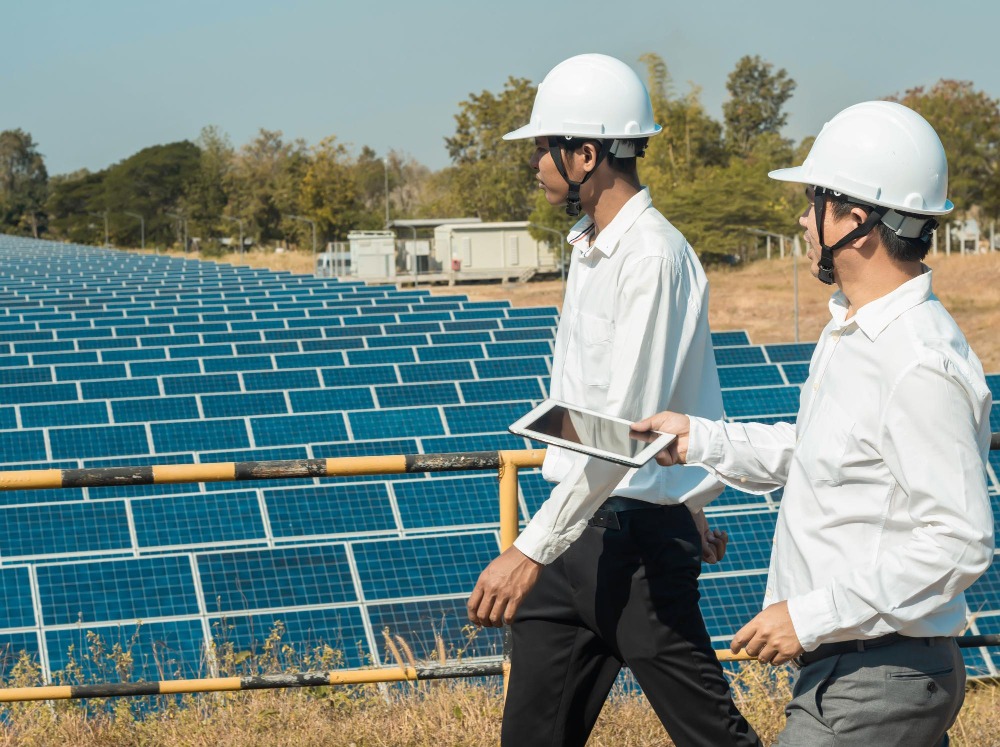
Utility-scale solar site surveys are comprehensive evaluations conducted before developing large solar power plants. These surveys assess land characteristics, environmental conditions, infrastructure access, electrical connectivity, and regulatory requirements.
A typical utility-scale solar survey includes topographic analysis, soil testing, shading assessment, drainage evaluation, access planning, and proximity to transmission lines. This data is used to determine whether the site is suitable for development and how the solar array should be designed.
Accurate site surveys provide the foundation for engineering, permitting, and construction planning.
Determining Project Feasibility
Feasibility is the first and most critical outcome of utility-scale solar site surveys. Large solar projects require significant investment, and early identification of potential constraints helps developers make informed decisions.
A solar project site evaluation examines factors such as land slope, soil stability, flood risk, and environmental sensitivity. These elements directly impact construction costs and long term performance.
By identifying challenges early, developers can adjust layouts, select appropriate mounting systems, or even reconsider site selection before major resources are committed.
Enhancing Safety at Scale
Safety is paramount in utility-scale solar installations. Large construction crews, heavy equipment, and high voltage systems introduce substantial risks if not properly managed.
A solar power plant site survey evaluates site access routes, emergency response considerations, worker safety zones, and electrical hazards. These assessments help ensure that safety measures are integrated into the project design from the beginning.
Proper safety planning reduces the risk of accidents during construction and protects operations personnel throughout the life of the solar plant.
Optimizing System Performance
Performance optimization is a major goal of utility-scale solar site surveys. Even minor inefficiencies can result in significant energy losses when multiplied across thousands of panels.
Survey teams analyze sun exposure, seasonal shading, terrain variations, and wind patterns. This information supports optimal panel placement, row spacing, tilt angles, and inverter locations.
A well planned solar site survey for utility-scale projects ensures that the system captures maximum sunlight while minimizing energy losses caused by shading or environmental factors.
Supporting Grid Connection and Electrical Planning
Utility-scale solar plants must connect seamlessly to the power grid. A detailed utility-scale solar survey evaluates the distance to substations, transmission capacity, and interconnection requirements.
Electrical assessments help determine cable routing, transformer placement, and grounding strategies. Identifying grid constraints early prevents costly redesigns and delays later in the project.
This planning ensures that generated power can be delivered efficiently and reliably to the grid.
Environmental and Regulatory Considerations
Environmental compliance is a major component of utility-scale solar development. Utility-scale solar site surveys assess potential impacts on wildlife, vegetation, water flow, and surrounding communities.
Survey findings support environmental studies and permitting applications required by local, state, and federal authorities. Accurate data helps streamline approvals and reduces the risk of regulatory setbacks.
By aligning project design with environmental requirements, developers can move forward with greater confidence and community support.
Reducing Long Term Risks and Costs
Utility-scale solar projects are designed to operate for decades. Poor site planning can lead to erosion, drainage problems, equipment damage, or maintenance challenges.
A comprehensive solar project site evaluation addresses long term operational considerations such as maintenance access, vegetation management, and system durability.
By reducing unforeseen issues, developers benefit from lower operating costs, improved reliability, and stronger financial performance over the life of the project.
Why Professional Site Surveys Matter
Utility-scale projects demand precision, experience, and advanced tools. Professional utility-scale solar site surveys use high accuracy measurements, geospatial data, and engineering expertise to deliver reliable results.
This level of detail ensures that decisions are based on real conditions rather than assumptions. For developers, investors, and utilities, professional surveys provide confidence that the project is viable, safe, and built for long term success.
Final Thought
Utility-scale solar projects require careful planning and informed decision making at every stage. Utility-scale solar site surveys provide the insight needed to ensure feasibility, safety, and high performance from day one. To get more information and expert support for your utility-scale solar project, contact Solarestique and take the first step toward a successful and sustainable energy solution.
FAQs
Q: What is the purpose of utility-scale solar site surveys?
A: Utility-scale solar site surveys assess land, infrastructure, safety, and environmental conditions to determine feasibility and support system design.
Q: How is a utility-scale solar survey different from smaller projects?
A: A utility-scale solar survey involves larger land areas, grid interconnection planning, environmental analysis, and more complex engineering requirements.
Q: Why is a solar power plant site survey important?
A: A solar power plant site survey ensures safe construction, efficient layout, and long term operational reliability.
Q: Do utility-scale site surveys help with permitting?
A: Yes. Survey data supports environmental studies, engineering plans, and regulatory approvals.
Q: Can a solar project site evaluation reduce project risks?
A: Absolutely. A thorough solar project site evaluation identifies potential issues early, helping reduce delays, costs, and long term risks.